
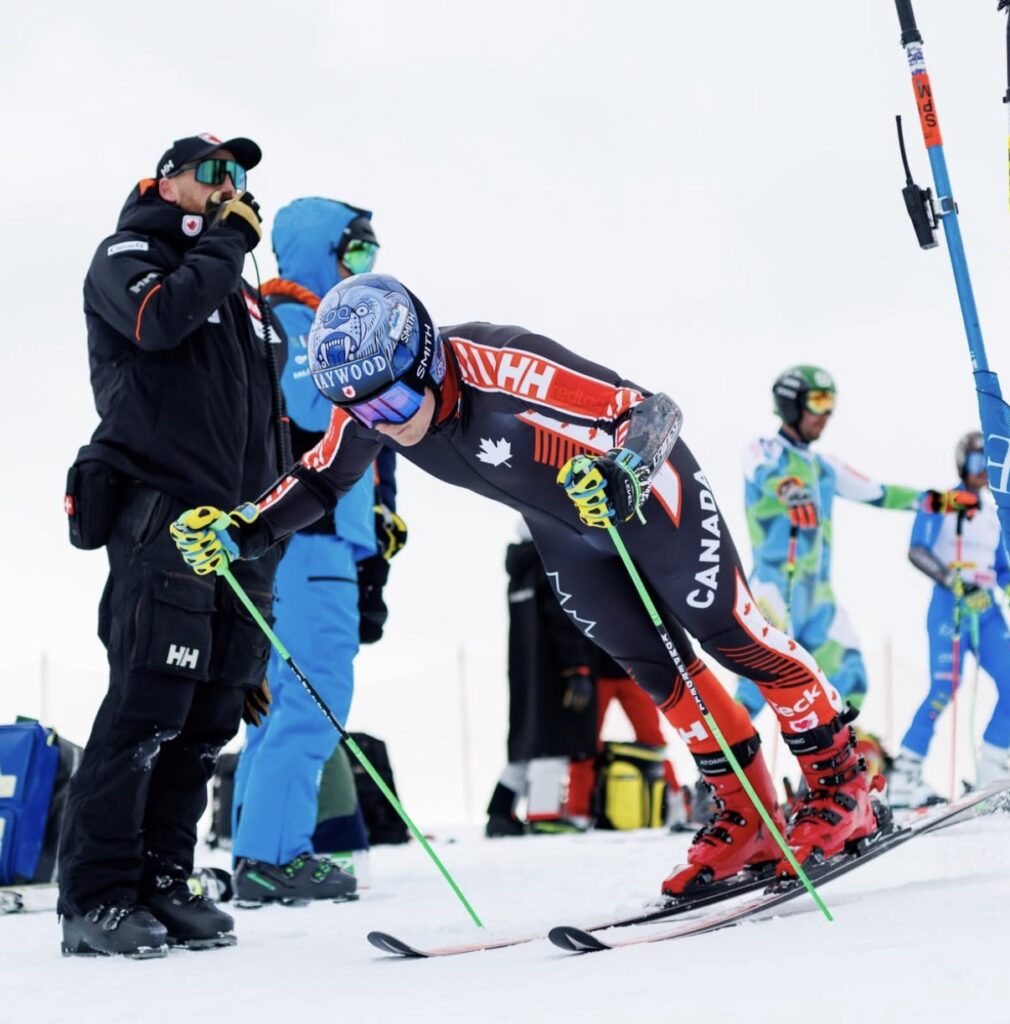
The months of training leading into the race season can feel endless—then suddenly you find yourself in the start gate feeling like no time has gone by at all. It may have been a new World Cup venue in Copper Mountain, but surrounded by so many of the same faces, and feeling the same nervous energy around the start area made it feel all too familiar. It’s funny how you can settle into a rhythm during the off-season, where the focus is on constant improvement. I find that I get quite hooked into that process of trying to tweak something in my skiing and then engraining it with reps. But of course none of us get paid in training, and there always comes a time to put all that work to the test when it matters. Switching into race mode doesn’t mean leaving behind those that improvement mindset entirely, but I think it requires a moment of embracing where you’re at, trusting that you’ve put in the work, and then letting go to perform with some freedom. I may have let the first race nerves get slightly in the way of that in Copper…
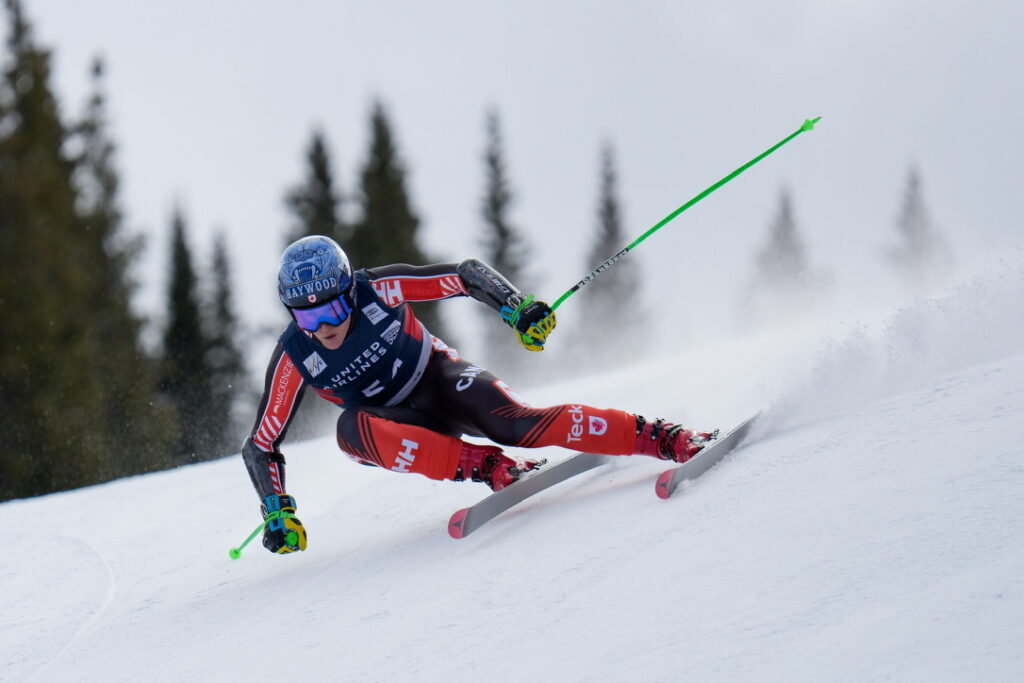
Copper Mountain is a very familiar place to our team, having raced many Nor-Ams there over the years. It has never been a particular favourite of mine because of the flat terrain, but the World Cup course was to be set down a new run with more vertical. It proved to be a fun hill and I think a good intensity level for the first super-G race of the season. Our team had just spend two weeks training in Nakiska, AB, for the final prep leading into the season, whereas most of the other World Cup teams were already training in Copper. We felt good about our situation in Nakiska where we had solid snow conditions and plenty of high-speed training. It seemed just about every other venue was seriously lacking snow and training space, so we felt confident we were taking advantage of the best option available. The only potential disadvantage coming into Copper was the fact that we hadn’t spent nearly as much time on Colorado snow as the other teams, or trained on the race hill for that matter. It’s not a particularly challenging hill, so when I felt the nerves on race morning I knew it was more about the first-race jitters. I had been feeling good about my skiing in the final prep, but those nerves definitely made me want to think a little too much about how I wanted to ski, what to focus on, and all the details from inspection. It showed in my skiing, which looked relatively nice but was too controlled and calculated, missing that race-day risk. It was a tough start to the season for our whole team, landing just one athlete in the top 30 with Jack placing 16th. However, I’m not going to point the finger at any of the prep as some others have done (such as the race commentator who called us out for being the only team not to train there). It was just a wake-up call that we were back to racing; time to trust the work done and be willing to let go and push.
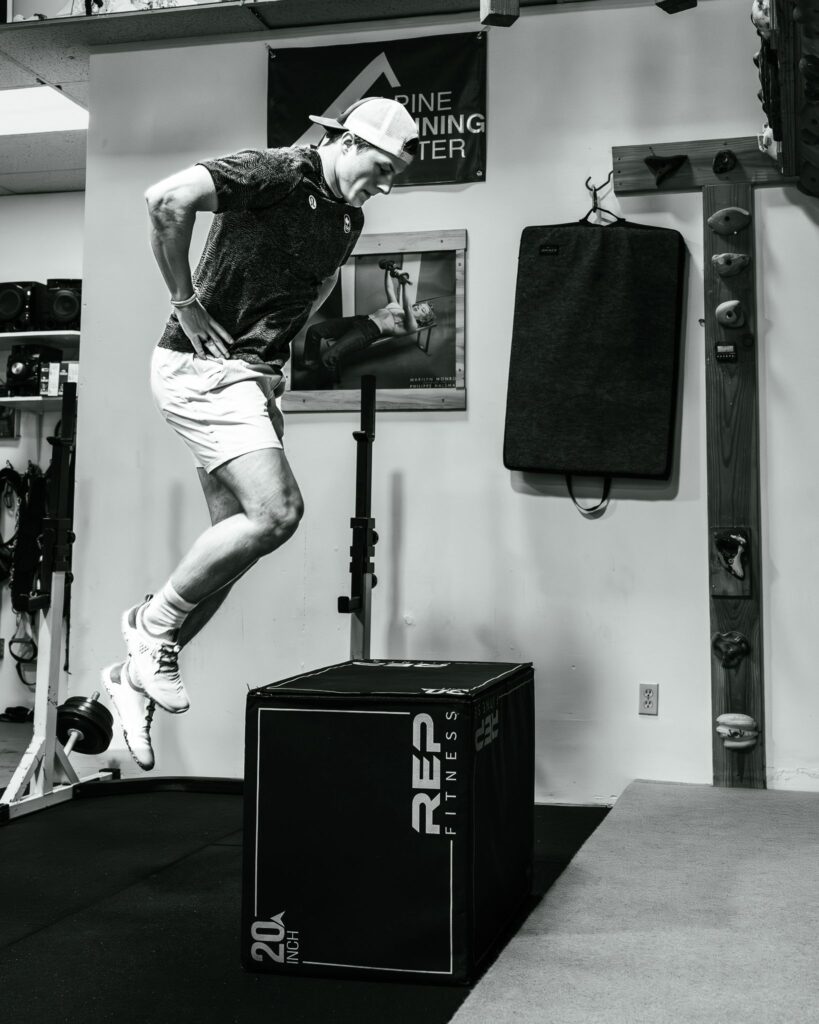
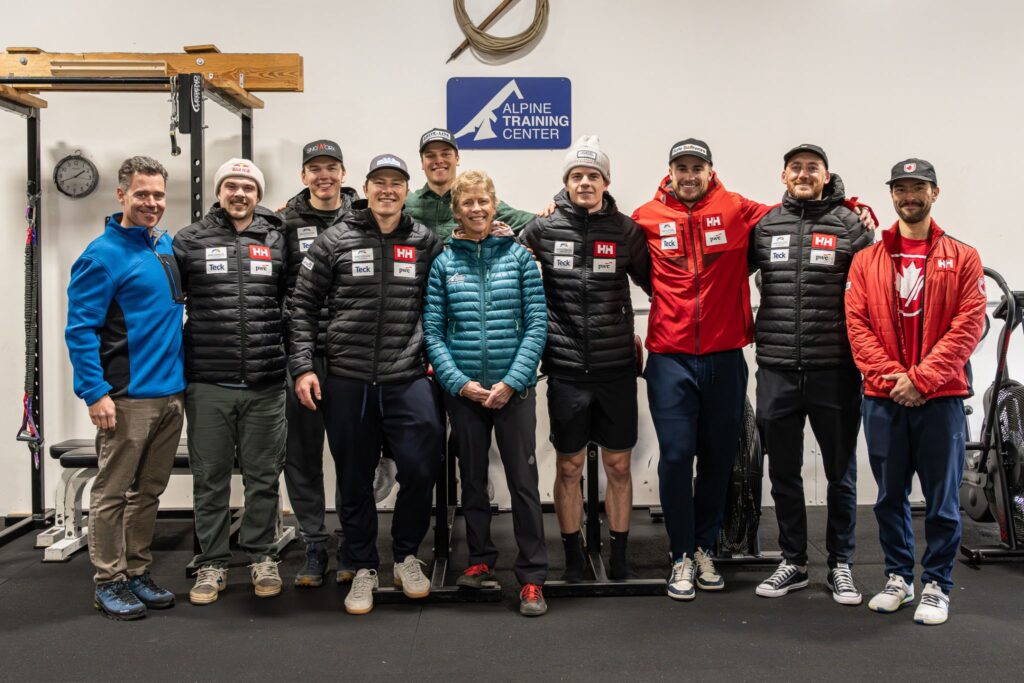
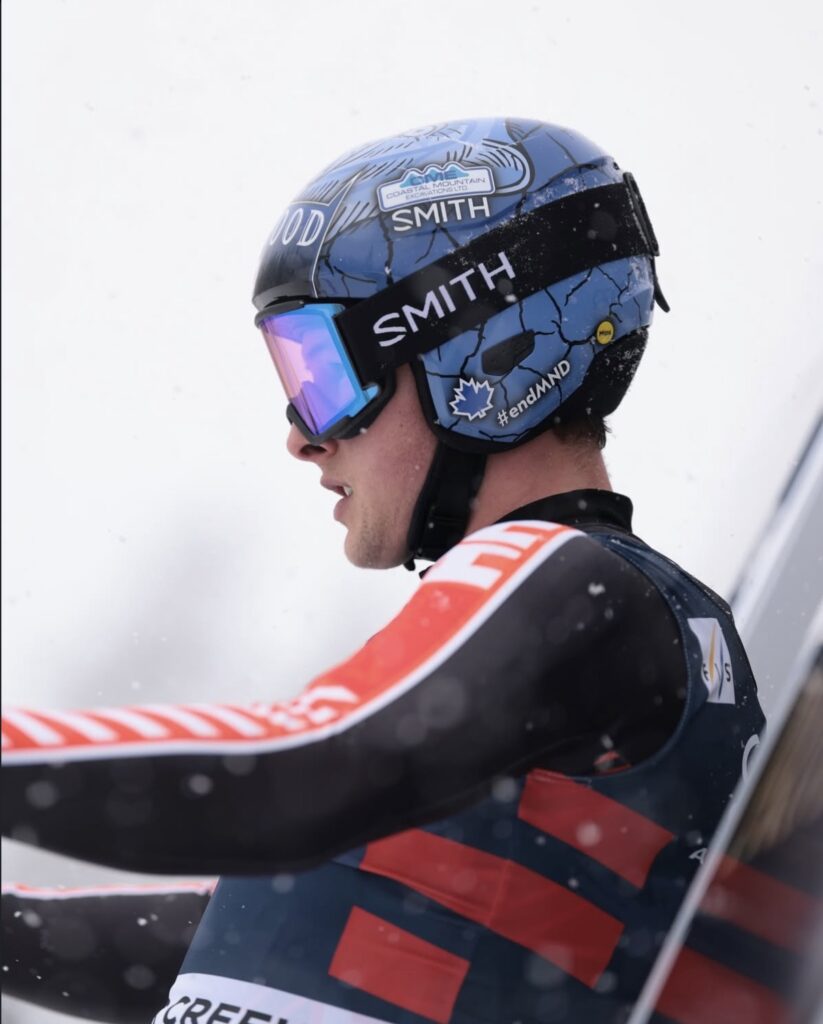
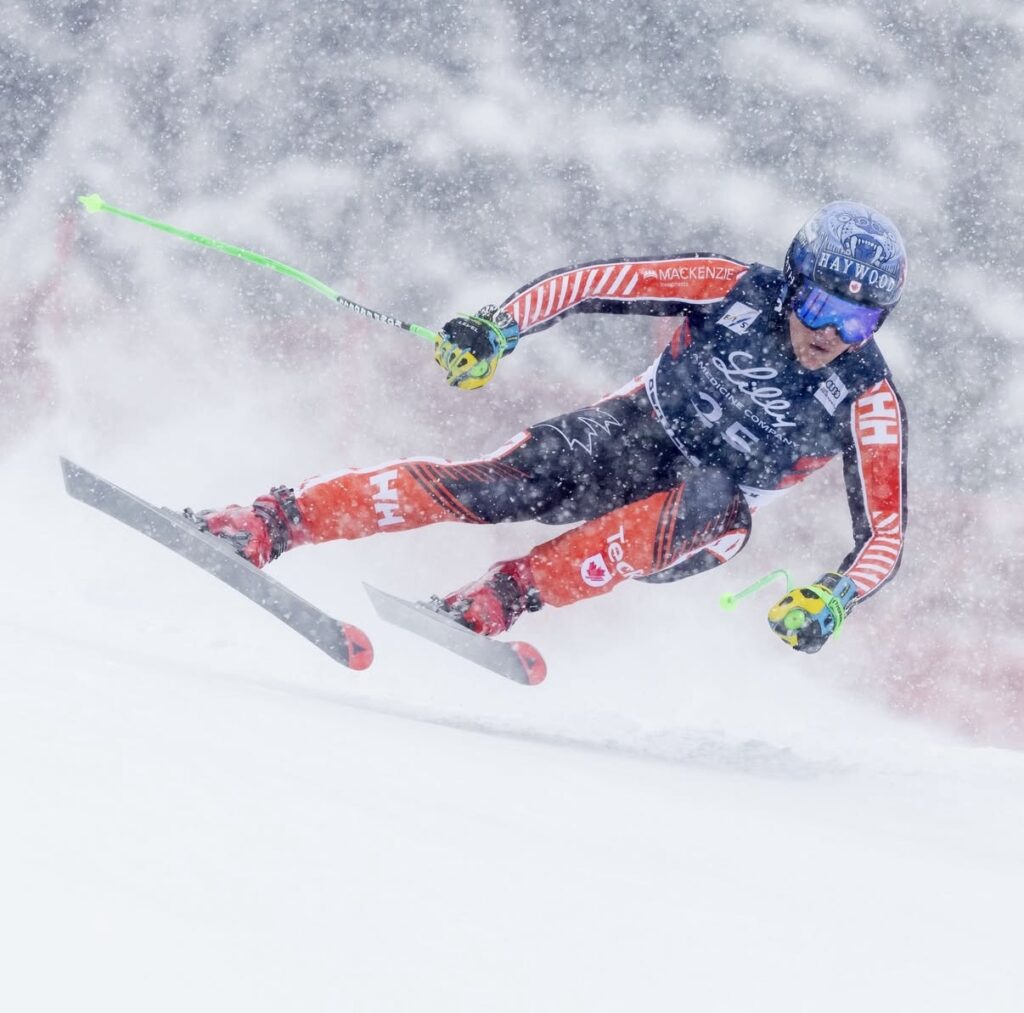
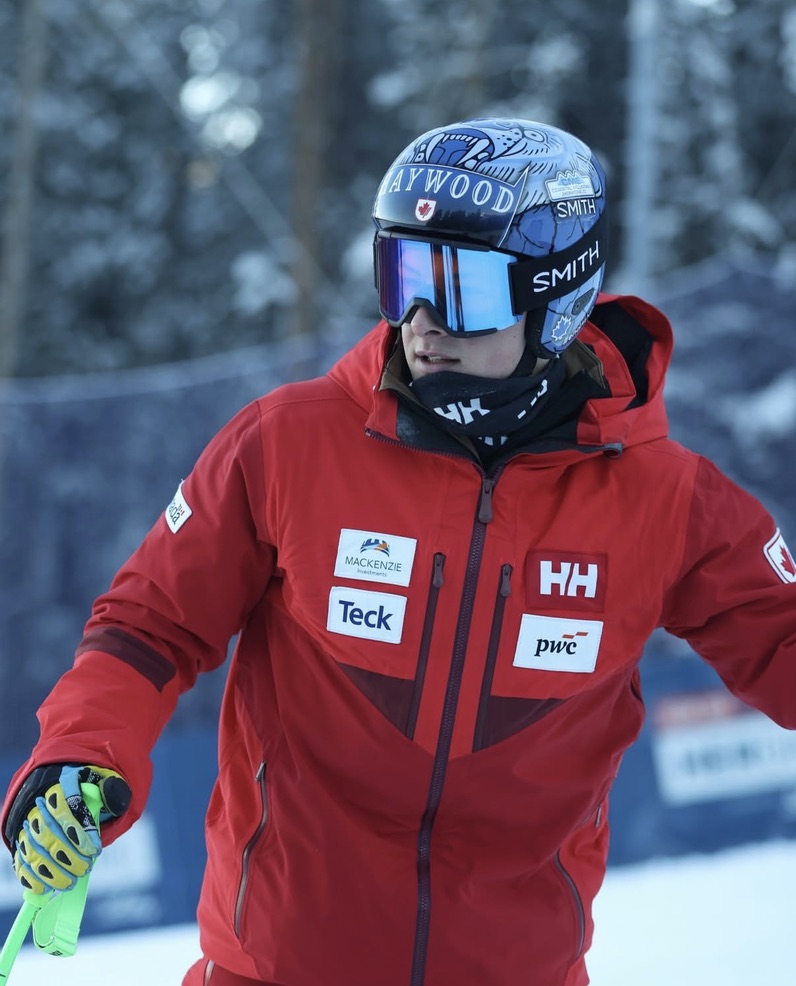
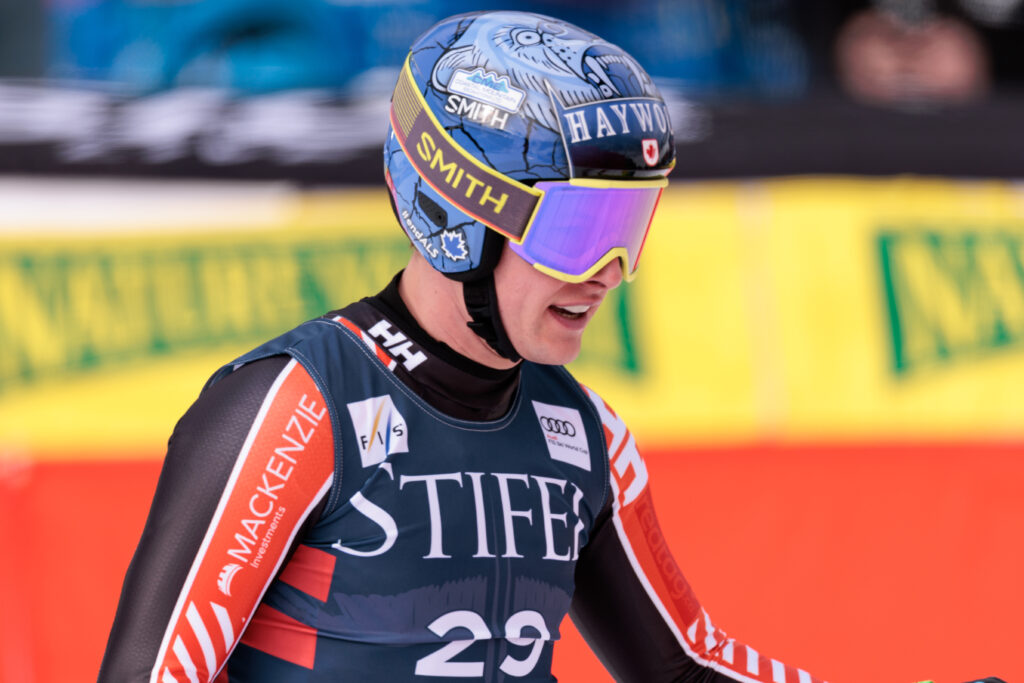
We spent a couple days exploring Boulder, Colorado, to recharge before heading to the next stop in Beaver Creek. Boulder was a cool town and the perfect place to take a break. We found some awesome restaurants and were welcomed to a local gym for a weightlifting session. We showed up in Beaver Creek determined to bounce back from what we showed in Copper, yet nobody was panicked or thinking we had to reinvent anything. Leading into that week, all the talk had been about how there was so little snow in Beaver Creek that the race might be cancelled. Thankfully the races were confirmed, although with a higher finish line than normal as there wasn’t enough snow depth to properly install the A-nets at the bottom of the course. Nevertheless, it was a huge effort from the course workers to make sure we would at least get something on that awesome hill. It seemed their challenges were far from over though… as the race week came around the forecast changed from too little to too much snow. Their focus changed from the finish situation to cleaning the powder off the entire upper part of the track. We had two very snowy training runs which made the course feel slower than usual. But sun was on the horizon and the downhill race day was shuffled a day earlier to take advantage of that. I had been having a lot of fun in training, and with the first-race nerves out of the way in Copper I felt much more calm and focused. I had a feeling the course would be running much faster with clean conditions than it had been in training, so I mentally prepared for that adjustment. I raced from bib 29 to 15th, a solid result to start the downhill season despite one small mistake. I’m certainly aiming higher than that, but I think it’s one I can build from.
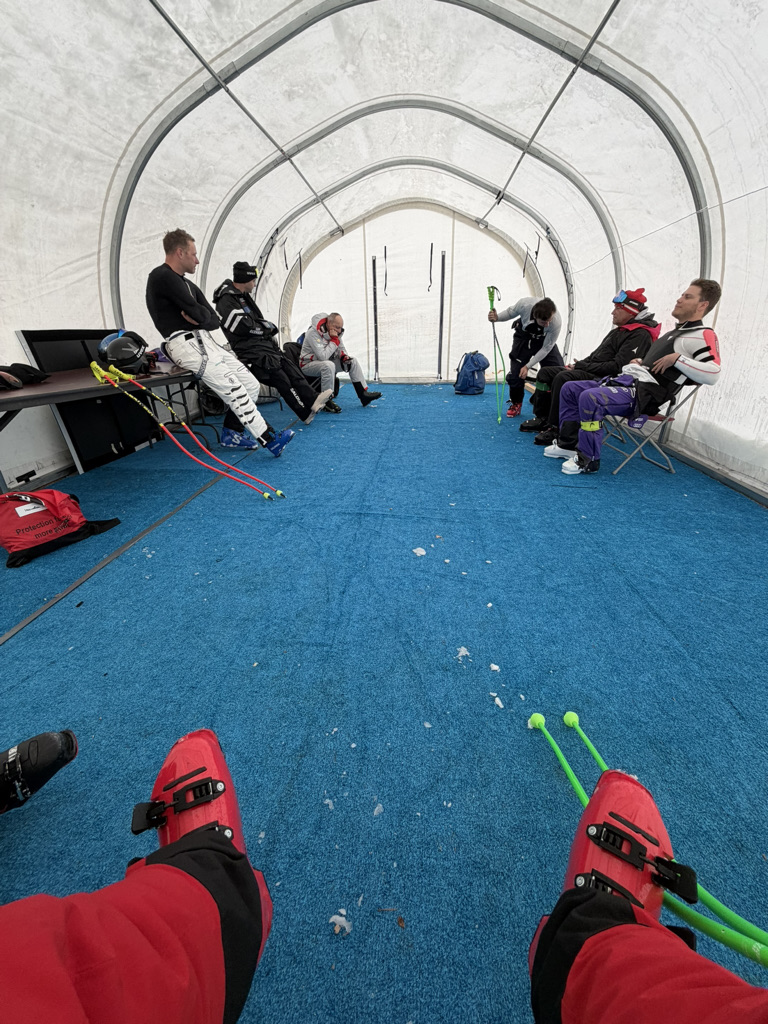
The focus shifted to the super-G the next day, and I was determined to show I could do better than Copper but without falling into the trap of trying too hard to force a performance. Also on the menu for the super-G day was another snow storm with intermittent fog and high wind gusts. With bib 55, I had a lot more time to hang around in the lodge and watch the race unfold while trying to distract myself just enough to avoid overthinking. It proved to be an ugly day, and a challenging course set on top of the conditions which led to a few crashes and course holds. I put my suit and boots on, then sat for 20 minutes through a stop start. Then I took the chair up to the downhill start and saw there was another course hold, so I went in the tent there. I found a few other athletes with similar bib numbers hanging there, and we began to chat and joke about all the days we’ve endured like that one. Time dragged on as they slowly made it through the top 30 racers, and rumours began to go around that they were going to cancel the race. The tent walls were shaking around me from the wind, but naturally I stayed checked in. Racer 31 went out of the start, didn’t make it to the finish, and once again live timing said “Race on hold”. We knew they only had to get the top 30 racers down in order to cancel and still count the race, so this course hold became extra ominous with each passing minute. Sure enough, we got the message that it was over, taking away any chance for the rest of us to punch in a result.
It’s always a controversial call when something like that happens. It’s clear the conditions were questionable and certainly posed a risk to the later bib numbers especially as the day grew longer, but I don’t think that risk was any less for the athletes they had already sent. I’m frustrated to have lost a very valuable opportunity in this Olympic season that I won’t get back, but at the same time it feels hard to be mad when it’s completely out of my control. I guess the hunt for a redeeming super-G result will have to wait a bit longer.
The last few weeks have been so action-packed that it feels wild to think I’ve only had two (and a half) race days. I guess that’s one of the classic effects of how much emotion goes into those race days and weeks, making them often feel much longer than they are. I’m fortunate I get a short break to unwind at home now before heading to Italy for the next speed stop. Val Gardena is another one of my favourite tracks on the circuit and one that was good to me last year, so I look forward to being back there. Hope you enjoyed the recap, and thanks for following along!