
We arrived in Portillo, Chile after another long stretch of travel, and it felt a little strange being there this late in their season. It’s much later than we normally go, but this year has been a record snow year. The El Niño weather pattern has brought a huge amount of precipitation, though not especially cold temperatures, and a lot more unpredictability along with it. I had a feeling that was going to come into play.
Our main goal in Portillo is always to take advantage of the world-class speed training. Speed events are the fastest disciplines in ski racing, and it’s always a challenge to replicate the racing environment in training. Before getting there, we started with a couple of days on our giant slalom skis to get going again. Even though the break between camps hadn’t been long, that first day of GS in flat light made it feel like I hadn’t skied in years. It was a good warmup though, and after two days we had our balance back and were ready to hop into the SG gates.
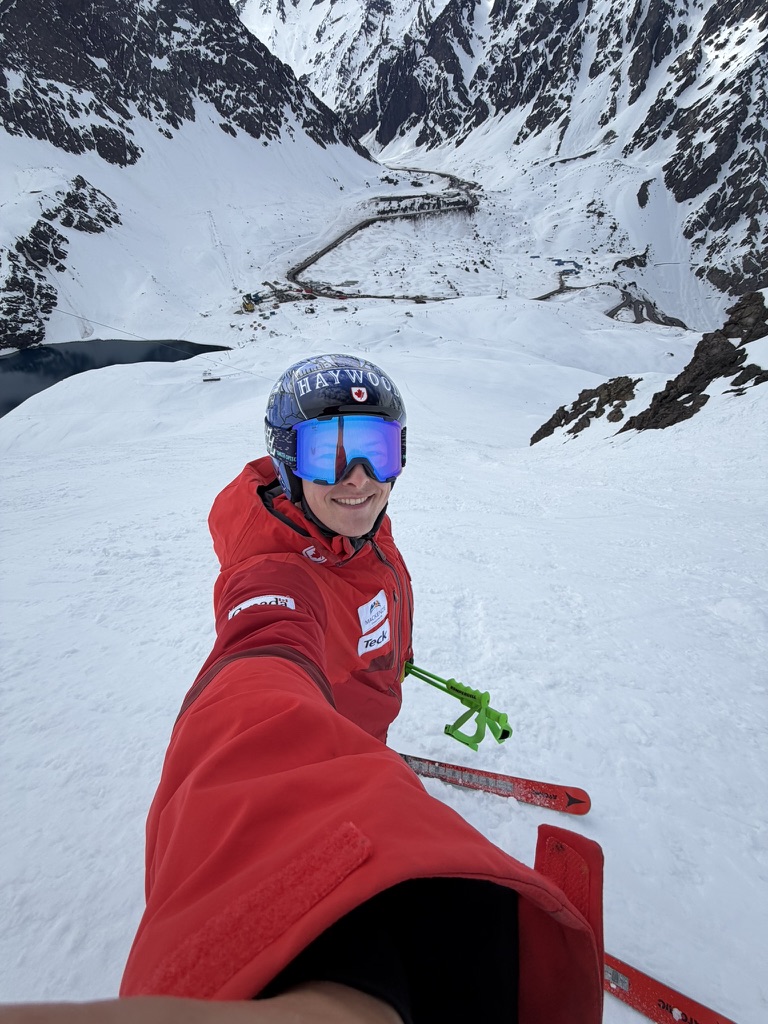
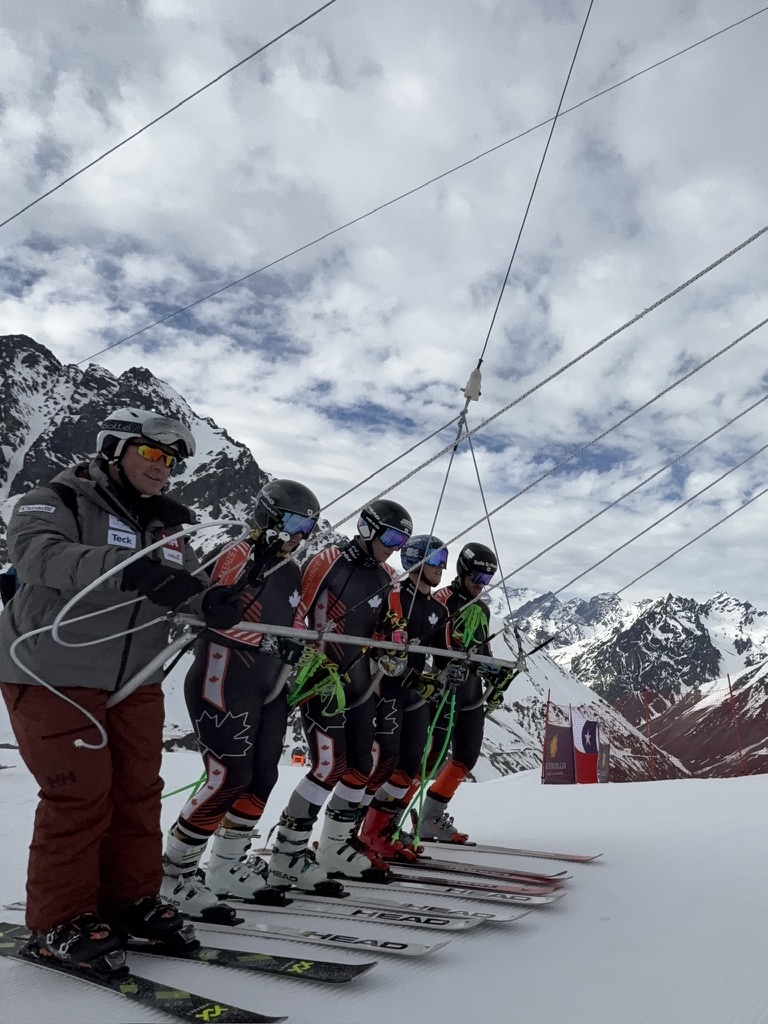
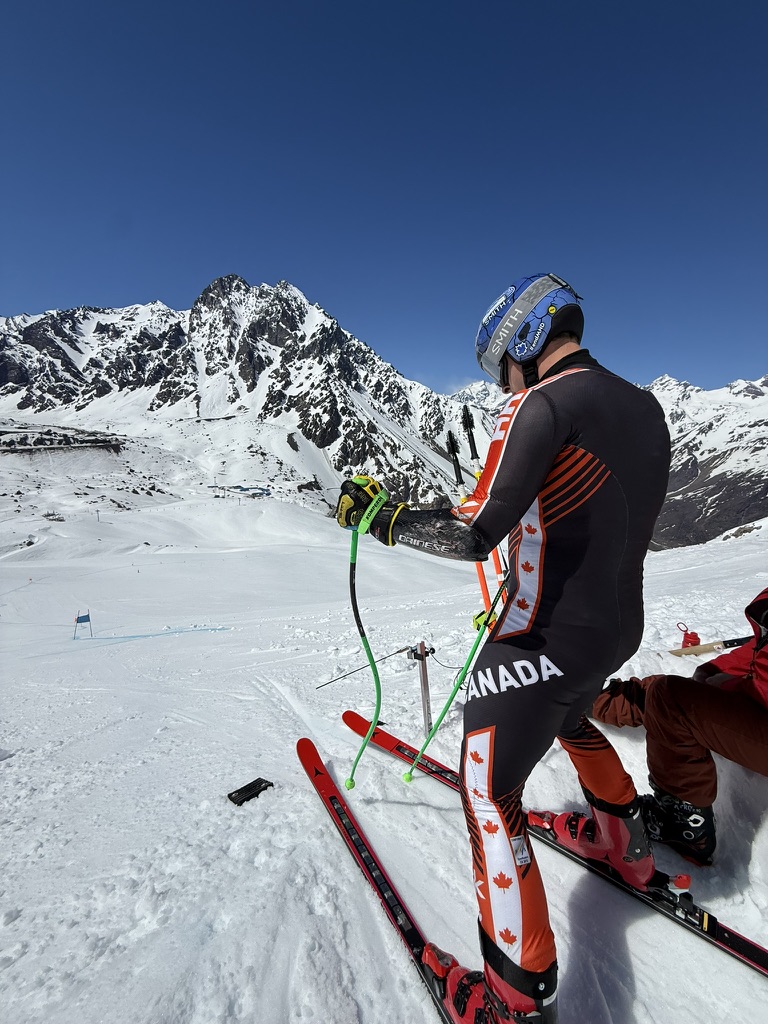
We got one day of SG in before the first storm arrived, sharing the hill with Mikaela Shiffrin, the American superstar with the most World Cup wins in history, and Ester Ledecka, the Czech athlete who famously won Olympic gold in both alpine skiing and snowboarding. After that, the weather started taking over. One day we were limited to running a straight-line gliding track just to put some miles on our downhill skis, and the next day was cancelled altogether.
When the storm finally cleared, we were rewarded with a bluebird day and got back to business on the SG skis. Unfortunately the storm had sent an avalanche over most of the first pitch of our training slope, covering it with dirty snow, so we had to start the course a bit lower than usual. We didn’t get onto the downhill skis until our sixth day on snow. The light went flat again, which made all the terrain on that slope more challenging, but we managed to get a great session done before the snow came back in the afternoon.
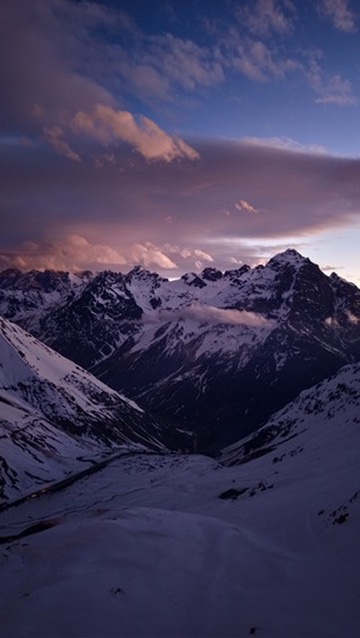
That snow didn’t let up for the next two and a half days. Roughly two metres came down and buried the entire valley, shutting us down completely. We used the time off snow to get some good workouts in and to play some great games of volleyball with the American tech team women and the Norwegian speed men, who had arrived in Portillo just in time to get buried in with us. When the visibility finally cleared after three days, we were treated to an incredible view of the valley with an avalanche on just about every slope in sight. It was obvious the resort was going to need a while to recover from a dump that big.
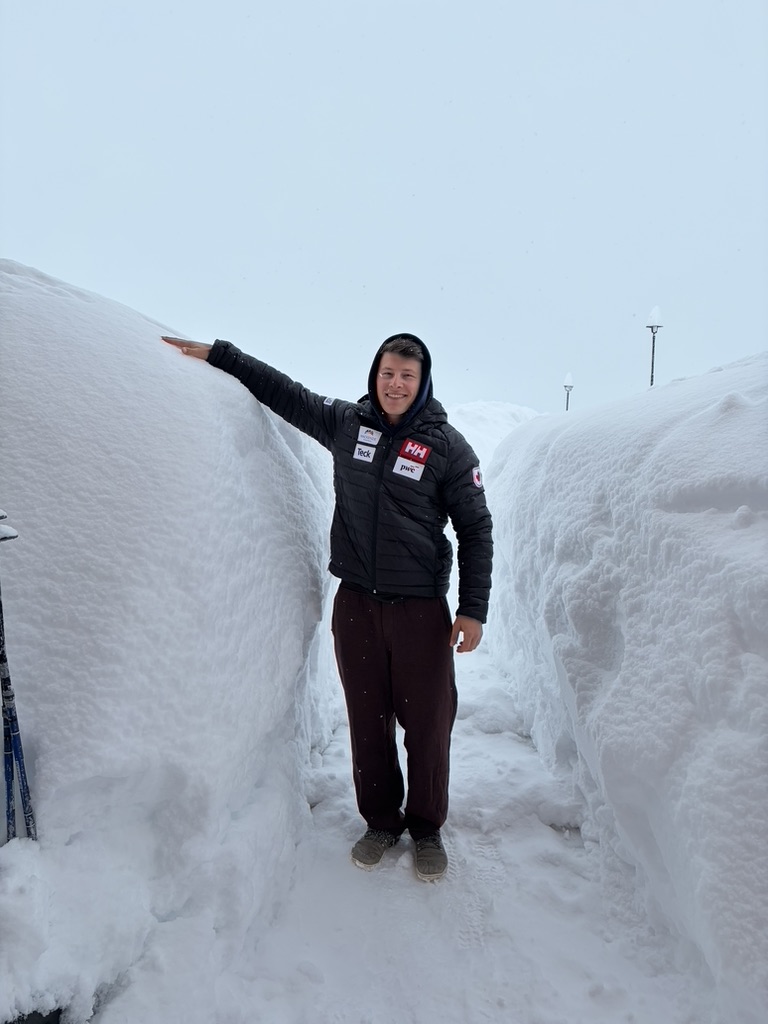
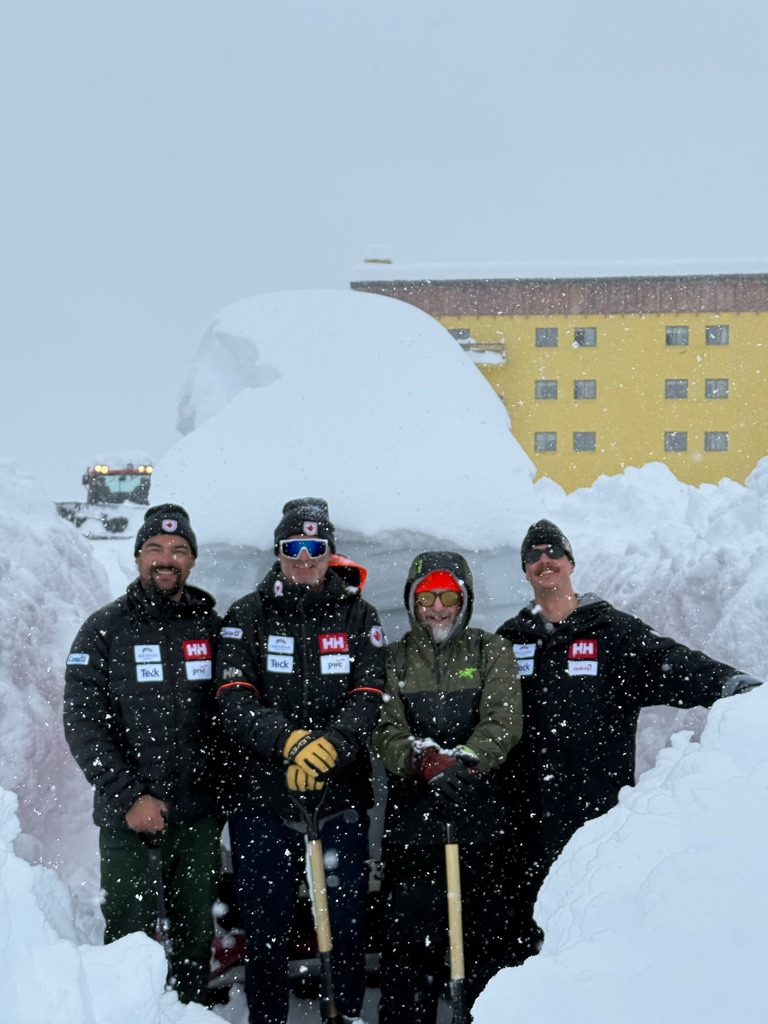
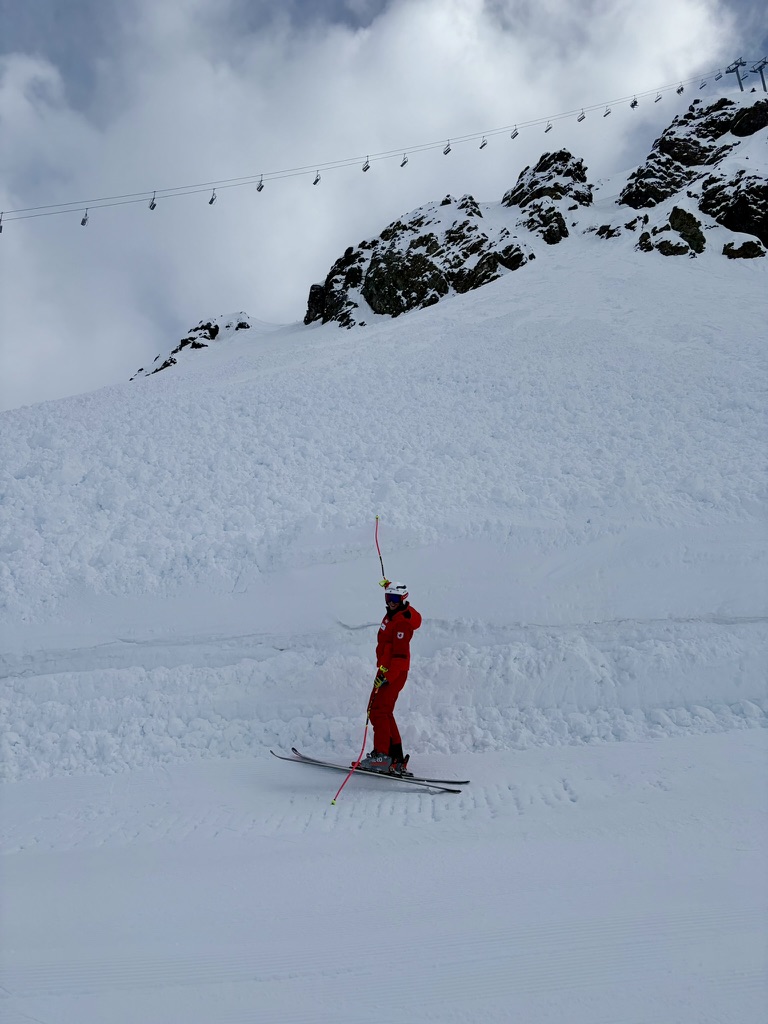
Sure enough, the next couple of days were pretty limited. We tried some very easy Super G glide turns, but the grooming was rough and inconsistent after the crew had tried to pack down that much fresh snow. The downhill track was still buried in avalanche debris, so we stuck to gliding and practicing starts from a snow pile built up next to the bunny hill poma lift. On the last day of camp we finally logged one more real Super G session, on the steep plateau run after it had been cleared of avalanche risk and groomed. It was rough and rugged in flat light, a gnarly reintroduction to real training after all those days off.
With that bone-rattling session behind us, it was time to pack up, make the three hour drive to Santiago, check in for our flights, and wait for a 1:30am departure. I made it home around 9:30pm the next night after bouncing through Bogota and Toronto. One nice surprise along the way was that my girlfriend Courtney’s team happened to be travelling on the same day as us, so after being apart for a month, we got to spend the trip home together.
I’m quite happy with how my knee held up at this camp compared to the last one, since I didn’t have any of the same lingering swelling and stiffness. After that rough last day of training and all the sitting, some of the swelling did come back, so my priority now that I’m home is to calm it back down and make the most of this final block in the gym. Our team has decided it isn’t worth going to Europe for one more camp in October or November, so we’ll be focused on physical prep for the next few weeks until there’s enough snow to ski in Canada at Nakiska. I’m also looking forward to some time on the Squamish River, since it’s salmon season and I plan to spend as much time fishing as I can before we’re off again.
Something else I want to share is that this year’s Helmet4Hope contest wrapped up about a week ago, and it was a great success. This was the sixth year of the contest, where people design artwork for my helmet to raise money and awareness for ALS, in support of the ALS Society of British Columbia. We brought in over $13,000 this year, which adds to the more than $66,000 raised in previous years and brings the total to over $79,000 for ALS families in BC. A huge thank you to Smith for providing prizes for the top three designs, and to everyone who entered and donated.
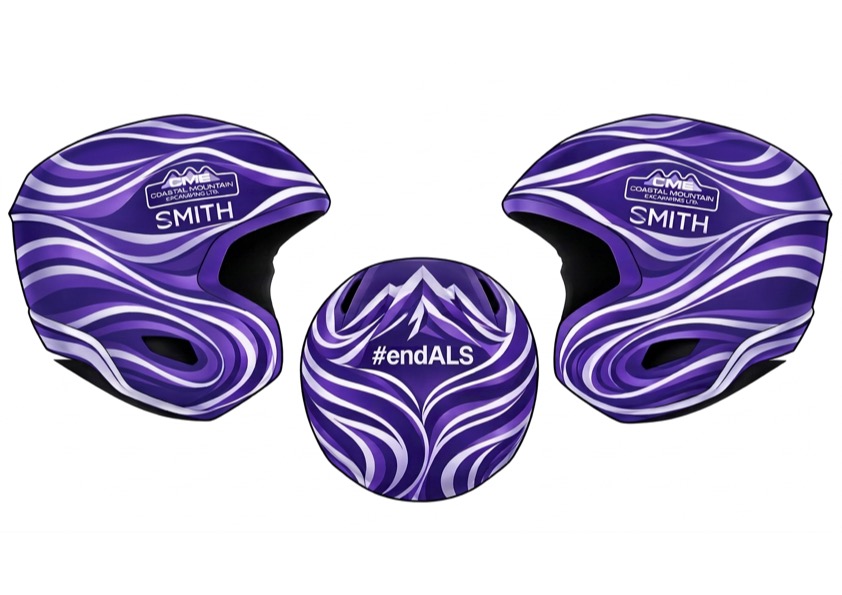
The winning design came from Gina Norton, and I love the meaning behind it. Her design is made up of waves that represent the fight against ALS: always changing, always adapting, but still carrying strength and resilience through the different currents. I’m looking forward to sharing the helmet with you all once her artwork has been painted on.
Thanks for reading, and as always, feel free to leave a comment or ask me any questions below.